The Roots go in the ground and the Green parts stay out of the ground.-Nick Denney
Organic Chemicals
(Organic sprays and powders are derived from nature, which is what makes them organic)
Azadirachtin- derived from the seeds of the Neem tree. Stops pests from molting. and laying eggs. Only effects buys that are hit with the spray. Once sunlight hits the chemical it breaks down. Works on aphids, beetles, spider mites, and larve.
Neem Oil- derived from the Neem tree. Suffocates bugs, also used as a fungicide. Neem oil does stay on the plant longer protecting it.
Bacillus thuringiensis - AKA (BT) is a soil borne bacteria that is harmful to larvae, worms, and other soft body insects. Works great on cabbage looper worms and tomato horn worms.
Diatomaceous Earth- made from ground up diatoms and other fossilized aquatic plants. It is a white powder that can be sprinkled on leaves to kill worms and slugs by making microscopic cuts into their soft bodies. Has to be reapplied after each rain. DE is also used in deworming of live stock.
Beer- Yes, beer. any brand will do. I usually raid my parents’ fridge for expired cans. This is used to kill slugs, especially during the Spring months when its wet and cold. Get a lid or something shallow to pour beer into. Slugs will come out at night drink the beer and die. Change out the beer every few days.
Fungicides and Bactericides
Pesticides
Pyrethrin- derived from the chrysanthemum flowers. They kill bugs like aphids, beetles, and other flying insects on contact. To avoid killing bees wait until afternoon or evening to spray. Bees like to sleep in flowers they are pollinating.
Hydrogen Peroxide- Using the same hydrogen peroxide in your medicine cabinet. Dilute it 1 part peroxide to 10 parts water. Add it to a sprayer that hasn’t had anything else in it. Hydrogen Peroxide kills fungus and bacteria on contact just like it will on your skin. We use it anytime we see bacterial or fungal issues on plant leaves. If you have problems with heirloom tomatoes, using hydrogen peroxide as a soil drench can kill any harmful soil pathogens.
Copper- In extreme cases Copper spray can be used as a Fungicide or Bactericide. Usually, it’s used on tomatoes during a really rainy, hot summer.
Fertilizers
“Fish Emulsion- this is a great biweekly fertilizer for all plants. Watering in the soil or spraying on the leaves (at a diluted rate). Read your fertilizer label before applying.
Molasses- Yes molasses, the same molasses used in cookies, cakes, and other sweet treats. Using molasses on plants, gives the plants extra sugars, making fruits sweeter, and surprise! not palatable for insects. To make molasses fertilizer 1- 2 tablespoons of molasses to 1 gallon of water. Put in a sprayer and spray on the leaves of the plant.
Epsom Salts- (Magnesium sulfate) This is a great way to boost tomato and pepper production. Mix 1 tablespoon with a gallon of water and spray the plant leaves. Make sure NOT to do it in the middle of the day to avoid sun scald.
Blood Meal and Bone Meal- Want nice BIG onions. Add bone meal to the soil before planting your onions, then every two weeks fertilize with blood meal. Stop fertilizing once onions are bulbing.
Alternative ways(our preference) to fight back against pests, weeds, and fungus.
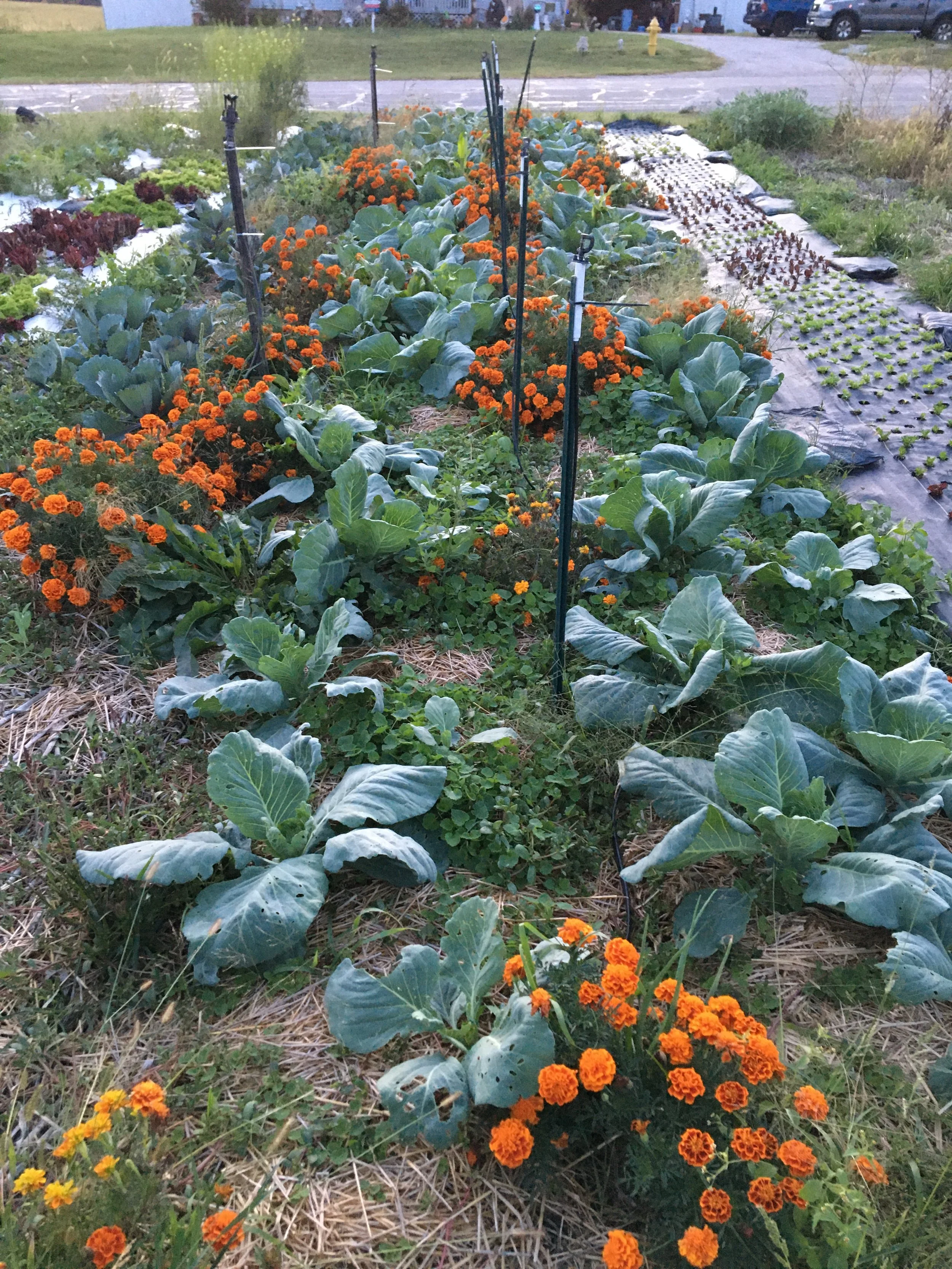
Marigolds are great deterrents to cabbage moths, onion root maggots, and carrot root maggots. Inter plant marigolds within your crops for best results.
Dill masks the smell of the cucumber plant. Which confuses the cucumber beetles, slowing down the infestation.
Planting herbs in your vegetable garden works to deter pests by masking the smell of the vegetable plants with strong herb scents.
Yellow sticky traps work well to help identify what insects are in your garden since they are attracted to the color yellow.
Tomato hornworms glow under a black light. So, grab a black light and go on a night hunt during the summer months. Enjoy!
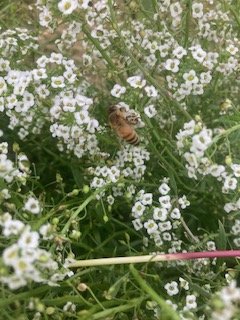
Planting Sweet Alyssum feeds parasitic wasps and other beneficial insects. They are harmless to humans as they look like a gnat. The adults lay eggs inside aphids. The aphids then die when the wasps hatch. Adults feed off the nectar of the flowers.
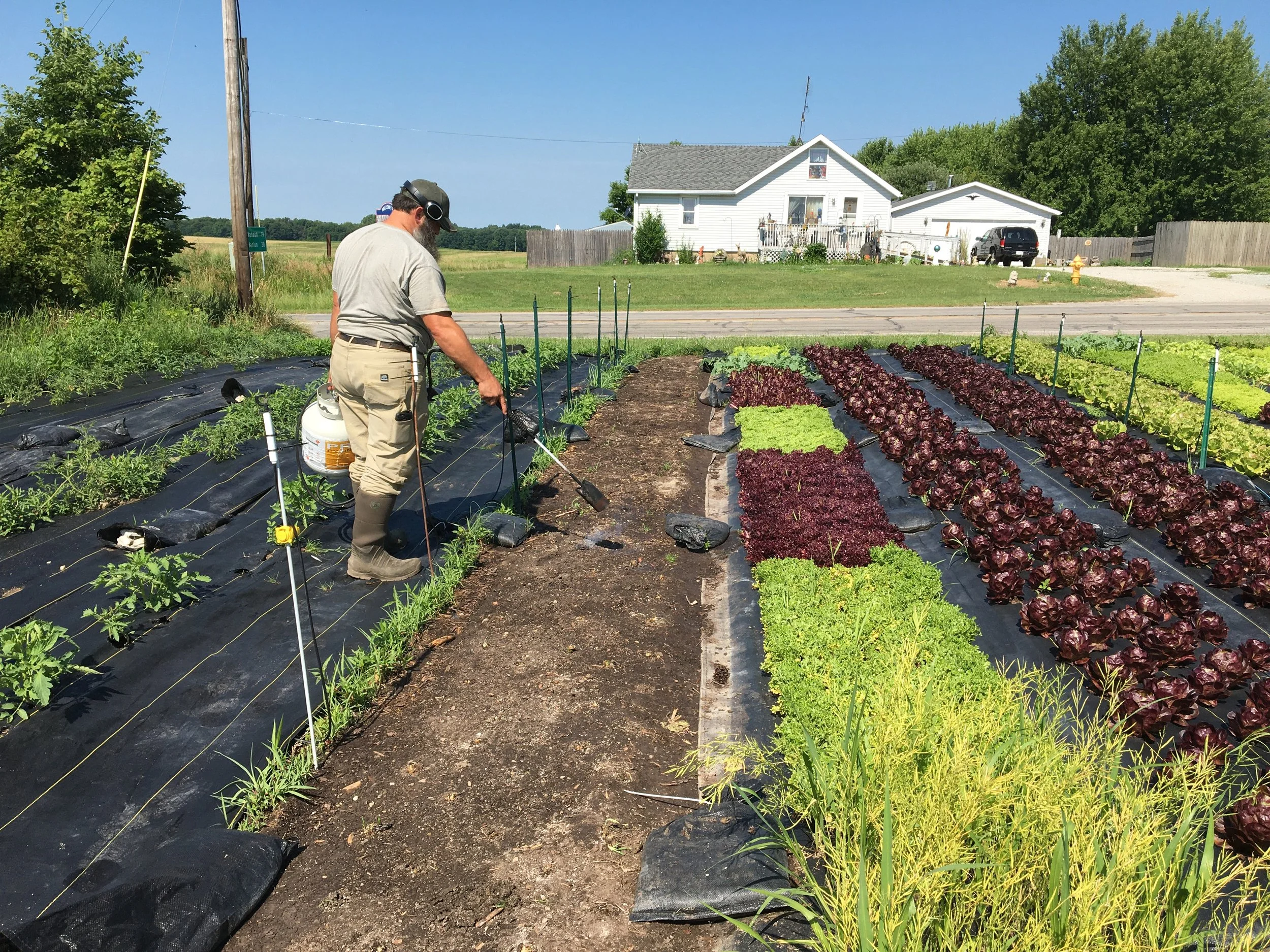
A propane torch or flame weeder can be used to kill baby weeds. As well as burning plants that are infested with a pest, past the point of trying to save it. To which torching a plant is merely killing all the pests so that they don’t spread to other areas of your garden.